

What Does an Electrician Do?
Electricians work with electricity to install and maintain, repair, and replace electrical circuits. They also examine and test electrical circuits, or apply their expertise in designing them.
They may decide to pursue higher education, like an associate degree or bachelor's degree, to enhance their career prospects. They can also enter the field through an apprenticeship program.
Job description
Electricians are responsible for the design installation, maintenance, and repair of electrical systems and devices. They employ blueprints and diagrams to design the system, and then set it up according to local codes and safety regulations. They also diagnose problems and fix malfunctioning equipment or wiring, depending on their skills and knowledge.
They may work in industrial or construction settings They may also have to interact with customers either in person or over the phone. The typical work week is 40 hours, however, they could be required to work extra hours depending on the type of business and location.
The job description for electricians should outline all the duties that the electrician will carry out along with any requirements required to succeed in the job. This includes a master electrician's license or completion of an apprenticeship program and an active driver's license.
A few of the tasks electricians must perform in order to be safe include administering first aid or CPR as well as providing expert advice to clients, ordering equipment and supplies, demonstrating an understanding of renewable energy systems and components, as well as taking down trees and other vegetation that interfere with electricity lines or electrical utility rights of way.
Other tasks include preventative maintenance of the electrical system and hardware communicating with district staff about electrical needs and working in the team to complete projects. In addition, they must ensure that all projects are examined by State agencies, as required by law.
They should also be acquainted with the National Electrical Code and state and local building regulations. They should also have experience using hand tools and power tools such as soldering, fault-testing equipment and soldering.
Finding the right electrician for your team is essential to the success of your project. To attract the best applicants, create a job description that lists the primary roles and responsibilities that electricians are required to perform. This will help you get the best candidates to join your team and ensure that your projects stay on track.
These tips will help you create an impressive and comprehensive job description for an electrician. These suggestions will help you attract the most qualified candidates and ensure that your position is filled quickly with the most qualified people.
Education requirements
Electricians are skilled tradesmen who work in a variety of areas. Although their work responsibilities differ based on the field the day's work is spent examining and fixing electrical equipment. They also look over blueprints and layout diagrams for electrical equipment.
There are many ways to become an electrician, which include obtaining a certificate or degree, or even an apprenticeship. Some learners opt to enroll in college courses, while others choose to study at community colleges or online schools. They'll require a high school diploma, or equivalent, irrespective of the educational path they decide to pursue.
Earning your diploma will help ensure that you meet the requirements for apprenticeships, training and licensing. Some schools require that applicants complete preparatory programs to prepare for the laboratory and classroom work they will do during their apprenticeships.
Once apprentices complete their training they start learning about electrical codes and laws. This will allow them to pass the national licensure test.
They are then eligible to apply for an apprenticeship with licensed contractors. They'll work under the direction of a master electrician, who will guide and supervise them as they gain their journeyman license.
The requirements for licensure vary from state to state, but candidates usually need 8,000 hours of supervised experience before they are able to take their journeyman exam. They can earn this requirement through an apprenticeship or by earning the bachelor's degree and earning at least 2,000 hours of supervised experience.
electricians in uk choose to pursue master's programs and obtain an electrician master license. This license allows the professional to train apprentices and lead teams. This route requires more specialized skills and a long time in the field in order to be eligible for the master electrician test.
The electricians who are seeking to become a potential electrician must have the high school diploma and should also attend science and math classes to prepare them for the demands of their job. They should also choose elective subjects that complement their field, such as mechanical drawing and shop classes.
If you're unable to get an education degree from a high school, you may want to consider getting an GED or enrolling in an adult education program. These programs will allow you to earn a high school diploma, or an associate degree. They can also give you important skills that employers will appreciate.
Work environment
Electrical work can be challenging and physically demanding electricians have to lift heavy loads, stand and kneel for long periods of time and twist and contort conduit. It can also be risky because there are always dangers of injuries from falls, shocks and cuts.
Electricians work at factories, construction sites, and residential and commercial buildings. Based on the area of specialization, they may spend a lot of their time outside working with power and telecommunications.
They are highly skilled professionals with extensive knowledge and expertise in all aspects of electrical installations. They perform tests, maintenance, and repairs to electrical equipment and systems to ensure they are operating safely and in good condition. They also provide expert advice to customers, place orders for parts demonstrations of renewable energy systems and components take down trees and shrubs that interfere with electric rights of way for utilities, and collaborate productively with their coworkers.
Their work is usually full-time, however they might have to take on additional hours in the course of scheduled maintenance or working on construction sites. They can also be self-employed, and choose their own hours.
A high school diploma is required to become an electrician, however many of them learn on the job through apprenticeship programs that run for four or five years. These are typically a combination of classroom instruction and on-the-job training.
Apprentices work in close collaboration with experienced electricians to learn the essential tasks of the trade. They learn how to drill holes, attach conduit, attach anchors and measure conduit. They also learn to install tests, connect, and install wiring, outlets, and switches. They also learn to draw diagrams and set up complete electrical systems.
Most electricians are licensed to work after having completed an apprenticeship. These licenses are granted at the state level. The majority of states require that apprentices pass an aptitude test and an exam for screening for substance abuse.
Since electricians often work in dirty and harsh environments, they require strong communication skills. They must also be capable of thinking in a way and come up with solutions when electrical equipment and systems fail.
Salary
Electricians are employed in a variety of settings and require a lot of judgment and attention to specifics. Their salaries can vary depending on their level of experience and their employer, as well as whether they are union or non-union.
Entry-level electricians need at least a high school diploma. However, certain states and employers may require certification or a bachelor’s degree. No matter what their education level electricians typically begin as apprentices and work for several years. They will become master electricians as well as journeymen as they gain experience.
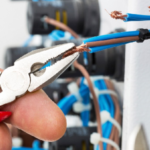
According to the Bureau of Labor Statistics the average electrician's salary is $60,040. This is higher than the average pay for drafters, who make $59,880 per year plumbers, who earn $58,630 annually; and HVAC technicians, who make $48,630 a year.
If an electrician is required to work weekends or overtime the wages could rise. These jobs often offer additional benefits like bonuses and paid time off.
Another way to increase your income as an electrician is to be promoted. Most bosses are looking for employees who are dedicated and work long hours and, therefore, if you prove that you're committed to your work, they will be more likely to recommend you.
As an electrician, you should also make sure to take advantage opportunities to learn and develop new skills that can aid you in your career. If you work in residential wiring and are interested in learning how to do industrial electrical work, think about attending a class or a seminar.
If you operate an electrical-related company, you should consider using an automated payroll system specifically designed for the trades to help you process employee salaries and pay your employees more efficiently. ServiceTitan can be integrated with QuickBooks and Sage Intacct to provide a complete tool for managing your electrical business that lets you monitor your expenses and payroll expenses, and generate reports on all of your information. Schedule a demonstration to find out more about how ServiceTitan can help you reduce time, costs, and boost the profit margins of your electrical business!